Professional rodent control across Brisbane using tamper-resistant baiting stations, trapping programs, and exclusion work. Licensed technicians with written warranty. Same-day response available.
Fast response, professional service.
Our technicians conduct a thorough inspection of your entire property to identify rodent species, entry points, harbourage areas, and the severity of the infestation. We then deploy a tailored program using tamper-resistant bait stations, mechanical traps, and exclusion recommendations to eliminate the problem at its source.
Every rodent treatment includes a detailed report outlining the species identified, stations placed, entry points found, and proofing recommendations to prevent future infestations.
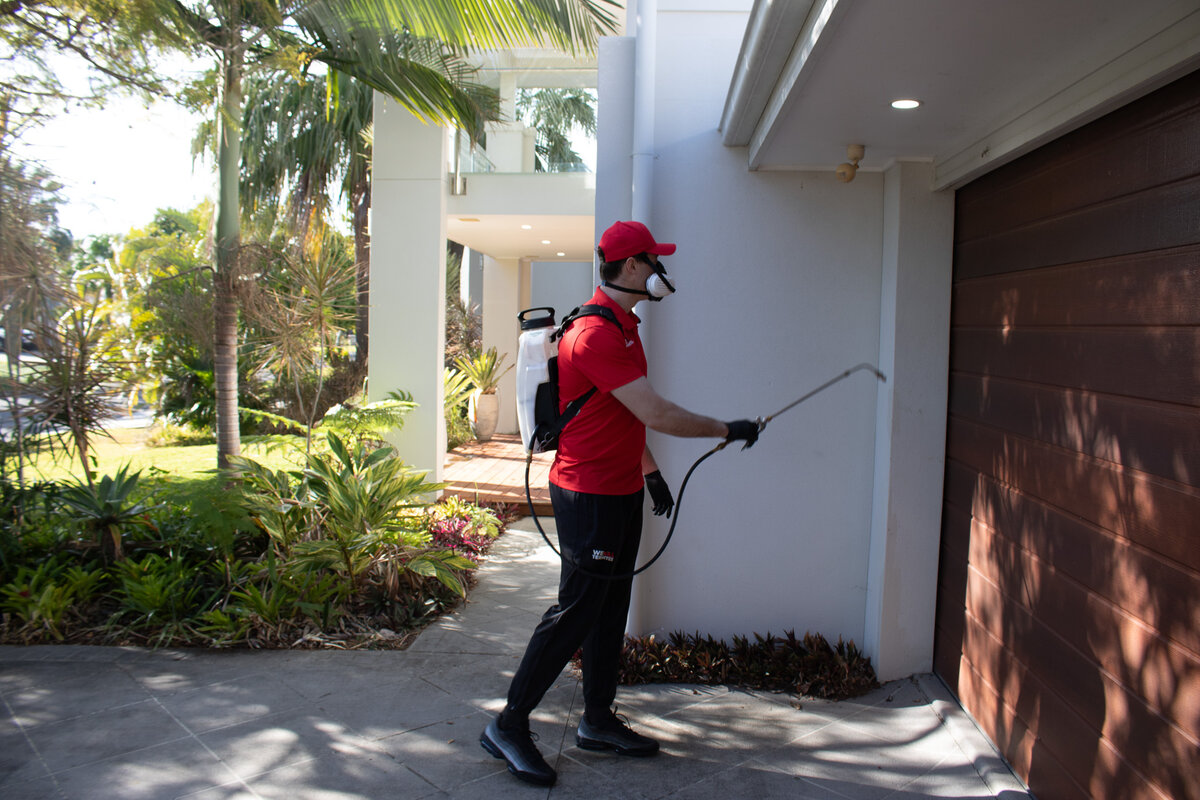
Baiting alone is not enough for long-term rodent control. Our technicians identify every potential entry point around your property, from gaps around pipes and weep holes to damaged roof tiles and unsealed eaves. We provide detailed proofing recommendations and can arrange exclusion work to seal your home against future rodent intrusion.
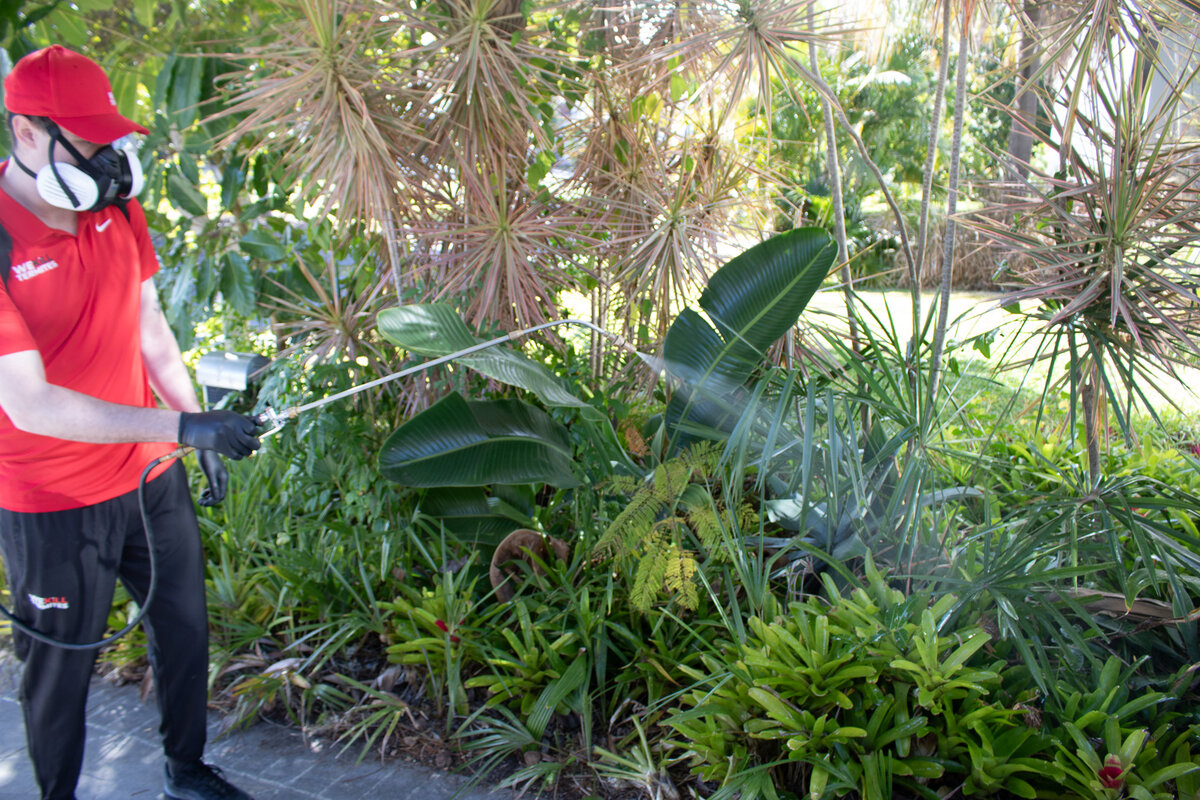
Rats and mice are among the most destructive and unhygienic pests found in Brisbane homes. They contaminate food, damage electrical wiring, chew through timber and plasterboard, and carry diseases that pose genuine health risks to your family. Brisbane's warm subtropical climate, combined with abundant food sources and urban sprawl, makes South East Queensland a hotspot for rodent activity year-round.
We Kill Termites provides professional rodent control across Brisbane, North Lakes, and surrounding areas. Our evidence-based approach combines tamper-resistant baiting stations, trapping programs, and exclusion work to eliminate current infestations and prevent rodents from returning. Every program includes a written warranty and follow-up monitoring to ensure long-term results.
Three main rodent species cause problems in Brisbane homes. Identifying the species is critical because each has different behaviour, nesting preferences, and treatment requirements.
Also called the black rat or ship rat, this is Brisbane's most common rodent pest. Excellent climbers, they nest in roof voids, wall cavities, and dense vegetation. They enter homes through gaps in eaves, broken roof tiles, and overhanging tree branches. Adults weigh 150-250g with a tail longer than their body.
The brown rat or sewer rat is larger and heavier than the roof rat, weighing up to 500g. They prefer ground-level and subfloor areas, burrowing under foundations, garden sheds, and retaining walls. They are strong swimmers and commonly enter properties through damaged drains and sewer connections.
Much smaller than rats at just 15-25g, house mice can squeeze through gaps as small as 6mm. They nest inside wall cavities, behind kitchen appliances, and in stored goods. Mice breed rapidly, with a single pair capable of producing over 500 offspring in a year under ideal conditions.
Rodents are nocturnal and secretive, so you may not see them directly. Watch for these warning signs that indicate an active infestation:
Rat droppings are dark, capsule-shaped pellets 12-18mm long. Mouse droppings are smaller, around 3-6mm. You will typically find them along walls, inside cupboards, in roof voids, and near food sources. Fresh droppings are dark and moist; older ones are grey and crumbly.
Rodents must gnaw constantly to keep their incisors from overgrowing. Look for gnaw marks on timber framing, electrical wiring, PVC pipes, food packaging, and door frames. Rats can gnaw through soft metals, concrete render, and hardwood. Damaged wiring from gnawing is a serious fire risk.
Scratching, scurrying, and squeaking sounds in your walls, ceiling, or subfloor at night are strong indicators of rodent activity. Roof rats in particular are active from dusk, running along roof trusses and through wall cavities. If you hear persistent noises, an infestation is likely already established.
Rodents follow the same paths repeatedly, leaving dark grease marks (rub marks) along skirting boards, pipes, and beams where their oily fur contacts surfaces. These tracks are a reliable indicator of established travel routes and help our technicians position bait stations and traps effectively.
Rodents build nests from shredded paper, insulation, fabric, and plant material. Finding these materials in roof voids, behind appliances, or in stored boxes indicates active nesting. A persistent stale, musky odour, especially in enclosed areas, is another sign of a significant rodent population.
Effective rodent control requires a multi-faceted approach. We combine several proven methods tailored to your property and the species present:
Our technician inspects the entire property including roof void, subfloor, internal areas, garage, sheds, and the external perimeter. We identify the rodent species, assess the severity of the infestation, locate entry points, and determine harbourage areas. This assessment shapes the entire treatment program.
We install tamper-resistant, lockable bait stations in strategic locations based on rodent activity patterns. Stations are placed in roof voids, subfloor areas, along fence lines, near sheds, and at identified entry points. The bait used is a professional-grade anticoagulant rodenticide registered with the APVMA. All stations are secured to prevent access by children, pets, and non-target wildlife.
For interior infestations or situations where baiting alone is not appropriate, we deploy mechanical snap traps in concealed locations. Traps are placed along confirmed runways and near nesting areas. This provides immediate results and is ideal for sensitive environments such as kitchens and food preparation areas.
We identify and document every potential entry point around your property. Common entry points include gaps around plumbing penetrations, damaged weep holes, gaps under garage doors, broken roof tiles, unsealed eaves, and overhanging vegetation. We provide a detailed report with specific proofing recommendations and can arrange exclusion work to seal your home.
A follow-up visit is scheduled to check bait station consumption, assess remaining activity, and replenish stations as needed. We monitor until the infestation is resolved. For properties with ongoing risk, we offer quarterly monitoring programs that maintain bait stations year-round and include regular inspections.
Initial treatment typically takes 45-60 minutes depending on property size. Most infestations show significant reduction within 7-14 days, with full elimination in 2-4 weeks.
Rodents are not just a nuisance. They carry serious diseases and create genuine health hazards for Brisbane families:
Rodents carry and transmit diseases including Leptospirosis (via urine contaminating water and food), Salmonella (through droppings contaminating food surfaces), and Hantavirus. Their droppings, urine, and saliva can contaminate kitchen surfaces, food storage areas, and water sources.
A single rat can produce up to 40 droppings per night and constantly dribbles urine as it moves. Rodents contaminate far more food than they consume. They chew through packaging and leave droppings and urine on surfaces, rendering stored food unsafe for consumption.
Rodent droppings, urine, and dander are known allergens that can trigger asthma attacks and allergic reactions, particularly in children. Dried droppings become airborne as fine particles that are inhaled, aggravating respiratory conditions. Roof void infestations are especially problematic as particles enter living spaces through ceiling fixtures.
Rodents gnaw through electrical wiring, creating a genuine fire hazard. The Insurance Council of Australia attributes a proportion of house fires to rodent damage to wiring. They also damage plumbing, timber framing, insulation, and personal belongings. Repair costs from rodent damage frequently exceed the cost of professional treatment.
Unlike southern Australian cities where cold winters naturally suppress rodent populations, Brisbane's mild winters allow rats and mice to breed year-round. Roof rats in particular thrive in Brisbane's consistently warm temperatures, maintaining active populations through every season. This means rodent control in Brisbane is not a seasonal concern but a year-round necessity.
Brisbane's subtropical environment supports abundant fruit trees, palm trees, and lush vegetation that provide natural food sources for rodents. Mango, avocado, citrus, and macadamia trees are common in Brisbane backyards and attract rodents to residential properties. Combined with pet food left outdoors, compost bins, and chicken coops, Brisbane properties often provide everything rodents need to thrive.
Brisbane's wet season and storm events flood rodent burrows and ground-level harbourage areas, driving rats and mice to seek shelter inside homes. After heavy rain, we see a significant spike in rodent call-outs as displaced animals seek dry, warm shelter in roof voids, wall cavities, and subfloors. Properties in flood-prone areas of Brisbane, Logan, and Ipswich are particularly vulnerable.
Rapid urban development across North Lakes, Caboolture, and Brisbane's outer suburbs displaces rodent populations from cleared bushland into neighbouring residential properties. New housing estates built on previously undeveloped land commonly experience rodent influxes in their first few years as displaced animals seek new territory and food sources.
We provide professional rodent control across South East Queensland. Our technicians service the following areas:
Our rodent control program starts from $199 for a standard residential property in Brisbane. This includes a full property inspection, placement of tamper-resistant bait stations in roof void, subfloor, and external areas, plus a follow-up monitoring visit. More severe infestations or larger properties may require additional stations and visits, which are quoted on-site. All programs include a written warranty. We also offer quarterly monitoring programs for ongoing protection.
Common signs include droppings along walls and in cupboards, gnaw marks on timber and wiring, scratching or scurrying sounds in walls or ceilings at night, greasy rub marks along skirting boards, and nesting material such as shredded paper or insulation in hidden areas. A musty odour in enclosed spaces can also indicate a significant infestation. If you notice any of these signs, contact us for a professional inspection. Early treatment is always more effective and less costly than allowing an infestation to establish.
Yes. We exclusively use tamper-resistant bait stations that are securely locked and cannot be opened by children or pets. Stations are placed in concealed locations such as roof voids, subfloor areas, and along external fence lines where rodents travel but children and pets do not have access. All rodenticide products used are registered with the Australian Pesticides and Veterinary Medicines Authority (APVMA) for domestic use. We also provide clear instructions on station locations and safety precautions after every treatment.
Most rodent infestations show significant reduction within 7 to 14 days of baiting station placement. Complete elimination typically takes 2 to 4 weeks depending on the severity of the infestation, the species involved, and whether entry points have been sealed. Our technician schedules a follow-up visit to assess activity levels, check bait consumption, and adjust the program as needed. For severe infestations, multiple follow-up visits may be required. Ongoing quarterly monitoring is recommended for properties with recurring issues.
Rodents return when the conditions that attracted them remain. Common attractants include accessible food sources such as pet food left out overnight, fallen fruit from trees, unsealed rubbish bins, and compost heaps. Entry points like gaps around plumbing pipes, damaged weep holes, broken roof tiles, and gaps under garage doors allow re-entry. Our service includes a thorough assessment of conducive conditions and detailed recommendations for proofing and sanitation changes. Addressing these factors alongside professional baiting provides the best long-term results.